
The Live Keynote Experiences
Performance Under Pressure.
High-participation live experiences built to create lasting change, consistent execution, and reliable performance.

What Your Team Takes Back to Work
Judge It on Tuesday, NOT ON THE APPLAUSE.
A great live keynote experience should do more than create a great hour. It should give people something they can still use when the meeting gets harder, the number gets tighter, and nobody is clapping.
One Behavior Chosen
People identify the behavior that matters most, make it specific, and commit to what doing it actually looks like. One behavior. Clear enough to act on.
The Hard Thing Gets Practiced
People identify the moment that usually gets harder, rehearse the response, and build reps before the real pressure arrives. Practice before the moment that counts.
The Standard Becomes Visible
People define what success looks like, make the behavior observable, and give the team something concrete to reinforce afterward. A standard people can actually see.
The goal is not a room that leaves inspired. It is a room better prepared to perform when pressure hits.
Your team knows the standard. Pressure is the test.
Built for: Leadership teams, corporate kickoffs, HR and culture events, and organizations that need execution to stay reliable when conditions get harder.
A high-participation live experience that helps leaders recognize where pressure changes behavior, rehearse the response before the real moment arrives, and make the standard visible enough to coach afterward.
Name the Pressure
Leaders identify the moments where behavior starts changing when deadlines move, numbers tighten, conversations get harder, or the margin for error gets smaller. You cannot prepare for pressure you have never named.
Practice the Response
The critical behavior gets rehearsed before the real moment arrives. The conversation. The decision. The follow-up. The standard. Reps before the pressure is real.
Make the Standard Visible
Leaders make the behavior specific enough that other people can recognize whether it happened and reinforce it after the event. A visible standard is easier to coach and hold.
A shared language for recognizing where pressure changes behavior.
One critical behavior practiced before the moment that counts.
A visible standard the team can coach and reinforce afterward.
They usually already know the behavior. The hard part is doing it.
Built for: Sales teams, franchise systems, associations, and performance-driven audiences where individual behavior directly affects the scoreboard.
A high-participation live experience that helps people identify the behavior they already know matters, confront where avoidance keeps winning, and turn one important action into something they are willing to own.
They Know It
Ask people what they should be doing more consistently and the answer usually comes fast. The call. The follow-up. The conversation. The preparation. The information was rarely the missing piece.
They Avoid It
Under pressure, people drift toward the work that feels easier, safer, or more comfortable while the behavior that would move the result keeps getting delayed. Avoidance looks productive until the number tells the truth.
They Own It
One behavior gets named, made specific, and committed to in a way that is visible enough to matter after the room clears. Not ten new goals. One behavior they are willing to own.
Clarity on the one behavior most likely to move their result.
A better understanding of where avoidance starts winning.
One visible commitment they can begin acting on immediately.

Which Experience Fits Your Room?
Two Experiences. Two Different Jobs.
Both are high-participation live experiences built around performance under pressure. The difference is where you need the change to happen.
WHEN PRESSURE HITSTM
Leadership teams, corporate kickoffs, HR and culture events, and organizations where team execution needs to stay reliable when conditions change.
Your people know the standard, but pressure changes the behavior behind it.
A shared language for pressure, one critical behavior practiced before it counts, and a visible standard leaders can coach afterward.
Choose this when the question is: How do we make team performance hold?
ONE HABIT AWAYTM
Sales teams, franchise systems, associations, and performance-driven audiences where individual behavior directly affects the scoreboard.
People often already know what would move the result, but they are not doing it consistently.
Clarity on the behavior that matters most, a better understanding of where avoidance wins, and one visible commitment they can begin immediately.
Choose this when the question is: How do we get people to act on what they already know?
Still not sure? Tell CHRISTOPH about the room, the audience, and what needs to be different afterward.
What It Feels Like in the Room
A Great Speaker Can Deliver a Talk. CHRISTOPH Runs the Room.
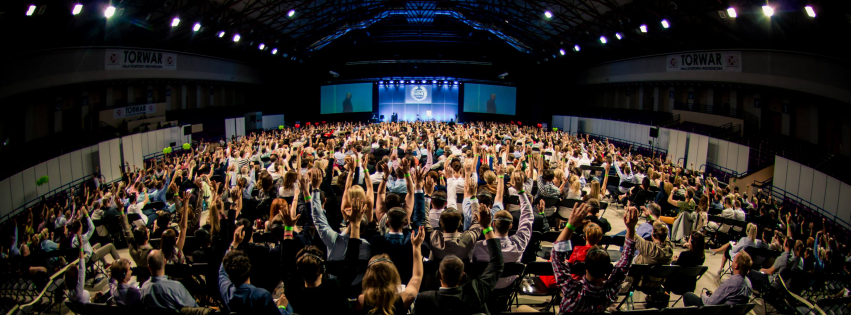
The experience is built around participation, movement, decisions, practice, and moments people can actually remember after the ballroom empties.
Days on stage, including immersive multi-day training environments where holding attention, reading the room, and creating participation were part of the job.
Read the Room
Energy, timing, pacing, humor, and participation are adjusted to the people who are actually sitting in front of him. The room is part of the experience.
Get People in It
People write, decide, respond, practice, and interact instead of spending sixty minutes watching someone else do all the work. Participation creates ownership.
Make Participation Matter
Nothing happens just because it looks cool from the back of the ballroom. Every interaction connects directly to the behavior the audience needs afterward. Experience in service of change.
The goal is not simply to make the keynote memorable. It is to make what happens next more useful.
The Experience Behind the Experience
Two Decades of Rooms. Not Two Decades of Theory.
A planner should not have to wonder whether the person walking onto the stage knows how to handle the room. CHRISTOPH has spent his career learning what happens when real people, real pressure, and a live audience collide.
Days on Stage
Not isolated speaking dates. Years spent inside live rooms where attention had to be earned, energy had to be managed, and the experience had to keep moving.
Repetition builds range.Certified Speaking Professional
The CSP designation represents sustained professional speaking experience, client service, and the standards expected of a working professional speaker.
Professionalism matters offstage too.Rooms of Every Size
From intimate leadership groups to arenas and large-scale events, the mechanics change. The responsibility does not: connect with the people who are actually in the room.
Different room. Same responsibility.The goal is simple: make the planner look smart for putting him on the stage.
Preparation, customization, professionalism, room awareness, and an experience built around what your audience needs to do differently afterward.
The Research Is Underway
The Framework Came From the Field. Now We’re Putting It to the Numbers.
CHRISTOPH is working with the Center for Generational Kinetics on a PhD-led national study examining the habits that shape performance at work, especially when expectations rise and pressure hits.
Built for Your Room
One Message. Built Around Your People.
The experience should fit the audience, the room, and what your organization needs people to do differently afterward.
Room Fit
Built for rooms where people need more than passive inspiration.
Format Fit
The format changes depending on how far you want the audience to go.
Customization
The core message stays strong. The experience gets built around your people.

Ready to Build the Right Experience?
Your Audience Already Knows More Than Enough. Let’s Make What Matters Hold.
Tell CHRISTOPH about the room, the audience, the pressure they are under, and what you need people to do differently afterward.
No canned keynote dropped into your agenda. No forced audience participation. Just a professionally built live experience designed around your people and what needs to happen next.